For more than a decade, advocates have been pushing for better crisis response for people with disabilities and mental health needs. The truth is, much of this work has been happening long before anyone decided it was worth paying attention to.
We’ve sat in courtrooms with individuals who were criminalized because their disability was misunderstood. We’ve talked with officers trying to make the best decisions they can in situations they were never properly trained for. We’ve pushed for collaboration between systems that rarely communicate with each other.
But we’ve been doing it long before anyone decided “2026 Is The New 2016” and turned this into their newest initiative.
When people suddenly “discover” these issues or more accurately decide it’s now mainstream enough for them to address the issue, many of us are left with the same reaction:
Where have you been?
For over ten years, I have been pushing for better training for first responders interacting with people with disabilities, mental health conditions, and behavioral health needs.
I didn’t do it while sitting in an office.
I did it from courtrooms, from living rooms with families in crisis, while standing beside people who were being charged with crimes because systems misunderstood their disability, their communication, or their behavior.
I’ve attended court dates. I’ve called public defenders. I’ve asked judges and police officers to talk with me so they could better understand the context behind what they were seeing.
Not because I believe I know how to do their jobs better.
But because misunderstanding disability can turn a crisis into a criminal charge in seconds.
Let’s Be Clear About Something
I am not a lawyer.
I am not a social worker.
And no, I don’t have a doctorate or any other fancy title
What I do have is lived experience and more than a decade of doing the actual work.
I have seen firsthand how behaviors connected to disability or mental health can be misunderstood in crisis situations. I have watched communication differences get interpreted as defiance. I have seen people pulled deeper into systems that were never designed with their needs in mind. Watching the same preventable problems happen over and over again.
And I’ve been saying the same thing for years:
Training matters. Understanding matters. Collaboration matters.
The Perspective People Often Ignore
As advocates, we talk a lot about protecting vulnerable people, and we should that’s non-negotiable.
But I am also the wife of a former police officer.
That reality shapes how I see this work every single day.
I wanted my husband to come home safely every single night.
He put his life on the line for people who often don’t understand the job he did. Many don’t respect it. Some openly hate it.
And yet he still showed up.
He didn’t get to respond emotionally when someone screams at him or calls him names the way most people would. Officers are expected to stay professional in situations where most people would lose their patience immediately. (I am also not here to debate, there are bad officers, like there are bad humans.)
That’s the reality of the job. It sucks.
Another perspective that is often ignored.
Having someone with no real experience or understanding in what it takes to do your job shows up and tells you how to do it.
Can you relate to that feeling? I know I can…
And I imagine officers feel it too, especially when criticism comes from people who have never worked a call, never stood in a volatile situation, and have never had to make a split-second decision that could affect someone’s life.
Or my personal favorite: the people who sit comfortably behind desks, far removed from the chaos of real-world situations, who suddenly become experts on how everything should be handled.
And pretending it doesn’t exist helps absolutely no one.
Which is exactly why real progress requires bringing both perspectives together, not dismissing one or the other.
When the “New Conversation” Isn’t Actually New
Recently, there has been growing attention around collecting stories about interactions between law enforcement and individuals with disabilities or mental health needs.
Stories matter. Awareness matters. People should be telling their stories so we can fix what is broken, keep what works and make it better. NOT START OVER.
But for many advocates, there is also a deep frustration watching people suddenly “discover” problems we have been talking about for over a decade.
Many of us have spent years:
- Attending court hearings
- Supporting families during crises
- Talking with officers about disability-related behaviors
- Pushing for better training and collaboration
- Participating in workgroups and policy discussions
We have been doing this work whether anyone was paying attention or not.
So when new initiatives pop up that seem to start the conversation from scratch, it can feel like we’re watching people reinvent the wheel.
And reinventing the wheel wastes time.
Time that people in crisis simply don’t have.
Lived Experience Is Expertise
Families, advocates, and self-advocates understand dynamics that cannot always be taught in a classroom.
We know what it looks like when someone with an intellectual disability shuts down during questioning.
We know how sensory overload can escalate behavior.
We know how trauma and communication barriers affect responses in stressful situations.
But officers also bring their own lived experience.
They understand the unpredictability of the job, the safety risks involved, and the pressure of making decisions in real time.
Real progress happens when those perspectives work together, not when one side dismisses the other.
Programs That Are Making a Difference
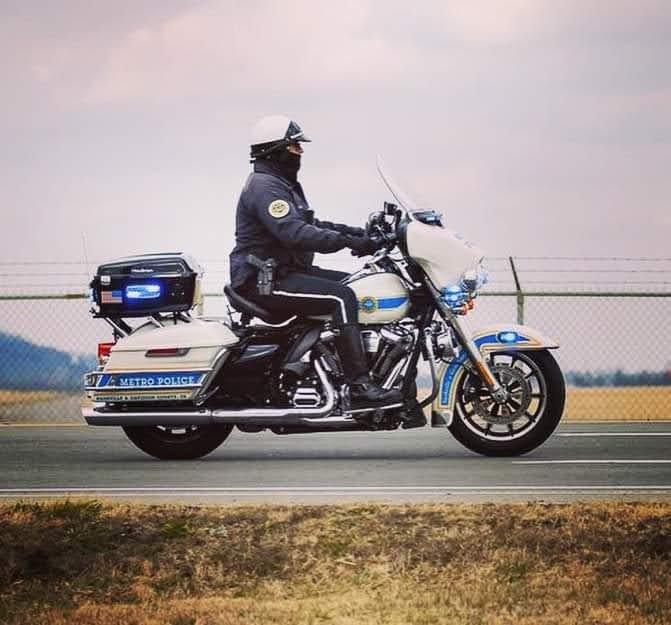
One example of a program that is making a real impact is Partners in Care in Nashville.
The program connects officers from the Metro Nashville Police Department with mental health professionals to respond to crisis situations more effectively.
Instead of treating every situation strictly as a law enforcement issue, the model brings behavioral health expertise directly into the response.
The program has already served more than 13,000 individuals in crisis, helping divert people toward services and support rather than unnecessary arrests or incarceration.
Programs like this show that when communities work together, outcomes improve, for everyone involved.
The Role of Crisis Intervention Training
Another important piece of progress has been Crisis Intervention Team (CIT) training and Crisis Response and Intervention Training (CRIT).
These training’s help officers better recognize and respond to situations involving mental health crises, autism, intellectual disabilities, and other behavioral health needs.
When officers have the right training and connections to community partners, they are far more likely to resolve those situations safely, for themselves, for the individual in crisis, and for everyone involved.
CRIT is based on the original Crisis Intervention Team (CIT) model, but expands the curriculum to more intentionally include intellectual and developmental disabilities and stronger collaboration with community providers.
The philosophy behind CRIT is straightforward:
Officer safety. Public safety. And diversion from the criminal justice system whenever possible.
This is not about asking officers to become clinicians or social workers. It is about giving them better tools and better understanding when they encounter people in crisis.
Programs like CRIT matter because they acknowledge a simple reality:
Many crisis calls involve health and disability issues, not criminal intent.
But Our Work Continues…
Not because we want recognition.
Every day, somewhere in our communities, a first responders is encountering someone with a disability or mental health need during one of the most difficult moments of their life.
Those encounters matter.
They can determine whether someone gets help, or becomes entangled in systems that may follow them for years.
Because here’s the uncomfortable truth:
Stop Ignoring the People Doing the Work
If you are a policymaker, consultant, researcher, or professional working on crisis response, disability policy, or law enforcement training, start including the people who have been doing this work for years.
At the beginning.
Because the disability community is full of people who have spent years:
- Sitting in courtrooms with families
- De-escalating crisis situations
- Explaining disability behaviors to officers
- Building relationships between systems that rarely communicate
- Pushing for training long before it became politically popular
And too often those same people are left out of the rooms where decisions are made.
Instead, we see panels filled with people who have impressive titles but no lived experience with the systems they’re redesigning.
Or worse, people who have never been the boots on the ground but are suddenly experts on how everyone else should be doing the work.
If we want better outcomes, that has to change.
Because the most effective solutions rarely come from the top down.
They come from the people who have been doing the work quietly for years.
- The advocates.
- The families.
- The officers who want better tools.
- The individuals with disabilities who live these interactions every day.
Real progress happens when those voices are finally taken seriously.
“Officers deserve the tools to respond safely. People with disabilities deserve to be understood. Both can be true at the same time.”
About the Author
Heather Henderson is a Tennessee disability advocate with more than a decade of experience supporting individuals with intellectual and developmental disabilities and their families. Her work focuses on systems advocacy, crisis response, and building stronger partnerships between the disability community and public safety professionals.